Islamic Studies Across Divides in an Era of Crisis and Global Injustice

Saturday 24 - Sunday 25 January 2026

Boğaziçi University, South Campus, Istanbul

Submission deadline extended until Monday 20 October 2025

 The British Association for Islamic Studies is proud to be co-hosting a landmark international winter symposium at Boğaziçi University, Istanbul.

As part of BRAIS’ desire to expand knowledge exchange with scholars in the Global Majority and diversify the academic fabric of Anglosphere academia, we present this unique symposium as an opportunity to facilitate exchange in the context of legalized genocide in Gaza, increasing inequality, and structural silencing of academics and their research.

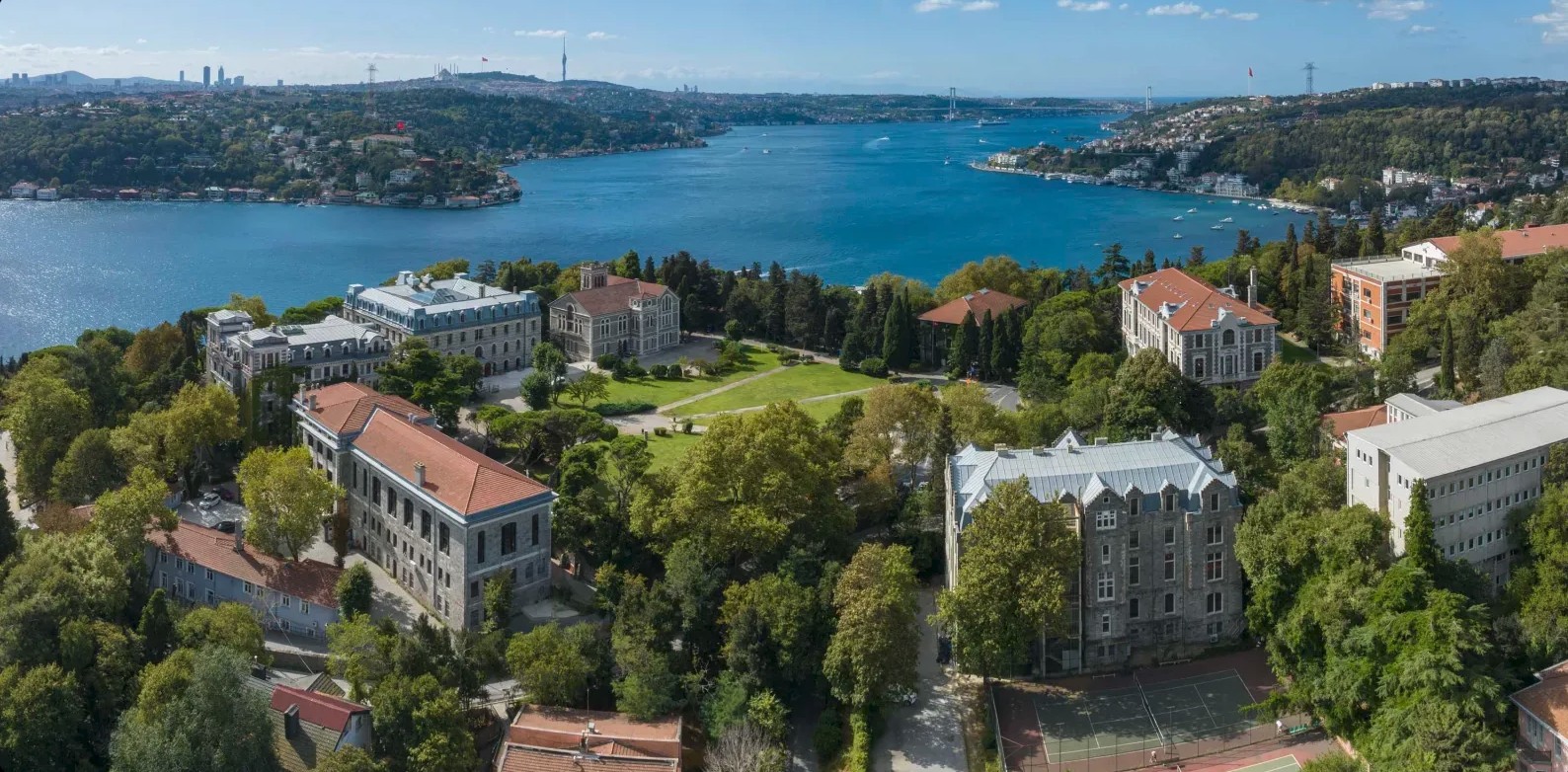
Our symposium, taking place on the heart of the stunning Bosphorus strait—the meeting point between Europe and Asia—was made possible by the generosity of our colleagues and hosts at Boğaziçi University, as well as its foundation (BUVAKIF). 

We invite scholars around the world and from all disciplines related to Islamic Studies to join us in Istanbul and present their research. We invite proposals for individual papers, as well as whole panels, from senior and early-career scholars from Professor to PhD level, as well as colleagues from beyond the academic world who have specialist expertise or unique insights to share.

Within the Symposium’s theme of Islamic Studies research during global crisis and injustice, we broadly understand Islamic Studies to include all topics and disciplinary approaches relating to the study of Islam and Muslim societies. This includes all time periods from the formative to the classical, and pre-modern to the contemporary. Subjects and approaches include, but are not limited to, the following suggested areas:

  • Blackness, Islam and African Diaspora Studies
  • Cultural Studies, Critique and Postcolonial Studies
  • Decolonising the Curriculum, including New Periodisations and (Inter)Disciplinary Approaches
  • Capitalism and Islamic Finance
  • Climate Change, Islamic Approaches to Ecology and Environmental Humanities
  • Ethics (Medical & Finance) and Islam
  • Genocide Studies, Scholasticide and Epistemicide
  • History of the Premodern Islamicate:
    • Arab/Ottoman/Persianate worlds
    • Indian Ocean, trans-Saharan, Mediterranean, and Atlantic trade and slavery
    • Genocide, migration, and diaspora formation
  • Indigenous and Islamic Epistemologies
  • Intellectual History, the History of Science, the History of Political Thought
  • Islam and Muslims in the Media, Critical Film Studies
  • Islamic liberation theology and theologies of resistance
  • Islamophobia and Racism Studies
  • Peacebuilding, Violence and Social Movements in the Muslim World
  • Postcolonial Muslim Societies and Subaltern Studies
  • Political Science, Sociology and Anthropology
  • Religious praxis, family, and relationships in Muslim Societies
  • Traditional Islamic Studies Fields, including:
    • Hadith Studies
    • Philosophy, Theology and Ethics
    • Qur'anic and Tafsir Studies
    • Sufism and Mysticism

We rely on our members and participants to help us expand the scope and nuance of Islamic Studies academia. In light of this, please do feel free to submit panel or paper proposals that are not represented in the above-mentioned themes.

PLEASE NOTE: The extended Call for Papers deadline is 5pm GMT on Monday 20 October 2025.

If you have any questions about the International Symposium, they might be answered on our FAQ page HERE. Otherwise, please do not hesitate to contact us: This email address is being protected from spambots. You need JavaScript enabled to view it..

Inclusivity, Bridging Boundaries, and Diversifying Epistemologies

The purpose of this this symposium is to dissolve barriers in the Global Majority and transcend structural boundaries to academia often experienced by scholars in Europe and North America. As a means knowledge exchange, we especially encourage submissions from scholars who face economic constraints and structural barriers from attending our Annual International Conference.

BRAIS is committed to the principles of equality and inclusivity, and welcomes papers from scholars of all backgrounds and identities. We will work hard to ensure that the Symposium is a welcoming environment where everyone feels valued and supported. We are mindful that many colleagues will have dependents, and your dependents are most welcome to attend along with you, free of charge. 

Submitting Your Abstract

For individual papers, a 200-word abstract of the paper should be submitted along with your details using the form available via the link below: 

Submit your abstract.

Submitting Your Panel Proposal

BRAIS particularly welcomes proposals for whole panels curated around certain themes or methodologies. Panels will ideally include four individual papers, but panels of three individual papers will also be considered.

For panels, a 200-word outline of the theme of the panel, together with 200-word abstracts of each individual paper and the biography of each presenter should be submitted using the form available via the link below:

Submit your panel.


Submission Deadline

The deadline for paper and panel submissions has been extended to Monday 20 October 2025 at 5pm GMT.

Any Questions?

If you have any questions, they might be addressed on our FAQ page HERE. For any other questions, please contact the BRAIS directly: This email address is being protected from spambots. You need JavaScript enabled to view it..

Data Protection

All Symposium paper and panel submissions will be administered by the BRAIS Trustee Board. Data will be managed by Boğaziçi University's Information Management Hub. Your submission will be shared with two anonymous reviewers who will review your submission and return their verdicts. Your submission will be retained until the symposium has been delivered. At this point, all submissions will be permanently deleted from our records.

Islamic Studies across Divides in an Era of Crisis and Global Injustice

Frequently Asked Questions

If you have a question about the International Symposium which is not addressed below, please contact us on: This email address is being protected from spambots. You need JavaScript enabled to view it..


Q: Where is the International Symposium taking place?

A: The Symposium will be hosted by the Boğaziçi University, South Campus, Istanbul. Find the venue HERE.


Q: How do I submit an abstract or a panel proposal?

A: Please see our CALL FOR PAPERS for all the information you need to submit your abstract/panel proposal.


Q: Can my abstract/panel proposal be in any language?

A: No. Submissions must be in English. Submissions in other languages will not be considered.


Q: Are there any topics within Islamic studies that the reviewing panel will not accept abstracts on?

A: No. All abstracts will be reviewed and decisions made based on the academic merits of the proposed paper/panel


Q: Do you accept abstracts from undergraduate or Masters students?

A: Only abstracts from PhD students in their second year of study or later will be accepted. However, we will accept abstracts from those with specialist expertise or qualifications from beyond the academic system (religious leaders, museum curators etc).


Q: How long should my paper last?

A: Papers on panels with four presenters should last no more than 15 minutes. Papers on panels with three presenters should last no more than 20 minutes.


Q: Will BRAIS be publishing abstracts, either on paper or online?

A: Yes, abstracts will be published online one month prior to the symposium.    


Q: Can we submit an abstract as co-authors?

A: Yes, but normally only one author will be invited to present the paper at the symposium.


Q: Should I send my CV as well as my abstract?

A: No, please do not send CVs as additional attachments. The form through which you submitted you paper/panel proposal asks you for all the information we need about you.


Q: Are we expected to submit our paper in advance, to share it without fellow panelists or to circulate it after the symposium?

A: No. You may wish to do so, but it is not a requirement for participating in the symposium.


Q: How many people should be in a panel? Is there a minimum or maximum?

A: The ideal pre-proposed panel should consist of four papers with one member of the panel acting as Panel Chair. Panels of three papers may be submitted but the reviewing committee may use their discretion to add a fourth person to any pre-proposed panel should they find a suitable abstract.


Q: When will I find out if my abstract has been accepted?

A: The deadline for abstract submissions is Friday 17 October, 2025. We hope to inform all applicants of our decision within two weeks of the deadline. Applicants whose abstracts are on the reserve list may be informed later.


Q: What should I consider in preparing my paper?

A: It may help to consider the following:

• Make one new argument, not more. Be concise and to the point.

• Write the paper as an oral communication. Signpost to help listeners follow the argument.

• Practice the paper to make sure it is clear and coherent and stays well within the time limit (15 minutes for a paper on a four presenter panel).

• PowerPoint presentation facilities will be available. With PowerPoint, less is more. Make sure the font size is easily visible (at least size 26) and the layout is simple and logical. Also, make sure your visual presentation supports your oral presentation, not detracts from it. Avoid overloading slides with excessive information.

For further guidance on conference presentations, see:

James Gelvin, ‘Preparing and Delivering Conference Papers

Mary E. Hunt, ‘Be Brief, Be Witty, Be Seated

Devin Stewart, ‘Suggestions for Presenting a Conference Paper at IQSA

Julie J. Kilmer, ‘Student Guide to Presenting at the AAR


Q: How do I register as a delegate?

A: Delegates will be able to register online from early November, 2025.


Q: How much will BRAIS cost to attend?

A: Delegate fees for the Symposium are adjusted to accommodate scholars from all parts of the world, and are as follows:

-Student Members: £20

-Full/associate Members + Student Non-Members of BRAIS: £40

-Non-Students/Non-Members of BRAIS: £80


Q: If I am presenting a paper, do I need to pay delegate fees?

A: Yes. Presenters must register for the symposium and pay the required delegate fees.


Q: Can BRAIS offer financial support to help me attend?

A: BRAIS offers bursaries for scholars from the Majority World who will struggle paying costs associated with the Symposium. Applications for symposium bursaries will be opened during symposium registration (November, 2025).


Q: If my abstract is accepted, will I have to become a member of BRAIS in order to present my paper at the symposium?

A: We would expect all those who are giving papers at the symposium to be members of BRAIS but will not insist on this. Remember, BRAIS members receive significant discounts on conference delegate fees.


Q: Can the symposium registration payment be made by invoice or must a credit card be used?

A: Payment should be made online using a credit or debit card. We cannot issue invoices, but payment by bank transfer is possible by request.


Q: Is accommodation available for delegates?

A: BRAIS cannot guarantee accommodation for delegates. However, we will be publishing guidance on local accommodation shortly.


Q: What happens if I have registered but can no longer attend the symposium? Can I get a refund?

A: If this happens to you, please contact us as soon as possible: This email address is being protected from spambots. You need JavaScript enabled to view it.. BRAIS can refund delegates up to two weeks before the start of the symposium. After this date, no refunds will be possible.


Q: I will be using a Powerpoint when giving my paper. Do I need to submit this in advance?

A: No. If you are giving a paper at the symposium and will be using Powerpoint, please bring your presentation with you on a memory stick. The university technicians will not be able to assist with private laptops. All the machines will be PCs.


Q: I am chairing a panel. What should the panel format be?

A: As Chair, you will need to introduce each speaker, providing their name, institutional affiliation and paper title. You will then need to keep strict time in the interest of fairness to all presenters and the audience. Each panel session is 90 minutes. The presentation time allocated for each paper on a four presenter panel is therefore 15 minutes. Papers on panels with three presenters may run to 20 minutes. We recommend that papers be presented together in the first 60 minutes, leaving 30 minutes for discussion with the audience at the end. This ensures that all presenters receive their full allocation of time to present before turning to audience questions, and it facilitates integrative discussion across the papers.


Q: Will there be WiFi access?

A: Wifi will be available throughout the venue. Instructions on how to join the Wifi network will be found in your delegate pack.


Q: Will there be a prayer room available during the symposium?

A: Yes. A prayer room will be available throughout the symposium.


Q: How much does it cost to become a member of BRAIS?

A: For membership costs, please see HERE.


Q: Do you offer any financial assistance to students whose abstracts are accepted? (i.e. travel, fee waiver, accommodation etc)

A: PhD students whose papers have been accepted are eligible to apply for symposium bursaries. Further information on bursaries will be sent to all those whose papers are selected for the final programme.


Q: Do you provide any assistance with obtaining a visa to attend the symposium?

A: For candidates whose abstracts have been selected and who require a visa to Turkey, please write to us stating that you require a formal letter of invitation from Boğaziçi University for obtaining a visa: This email address is being protected from spambots. You need JavaScript enabled to view it..


Q: Once the symposium is over, can you provide individuals with a certificate of attendance/participation? Is there a charge for this service?

A: Yes. In order to obtain the certificate, please write to the BRAIS Administrator on the above email address, clearly stating your name and the title of the paper which you presented. The certificate may take a couple of weeks to produce but there is no fee for this service.


Q: Are there any plans to publish symposium proceedings after the symposium?

A: At this stage there are no plans to publish proceedings from the symposium, but this is certainly something which may be considered in future years. Q: I am not currently affiliated to any higher or further education institution. Can I still submit an abstract? A: Yes, absolutely. We very much welcome abstracts from independent scholars.

Islamic Studies across Divides in an Era of Crisis and Global Injustice

Accommodation and Travel Information

Accommodation Options

BRAIS is not able to provide accommodation for the International Symposium, so delegates will need to book accommodation themselves. We have compiled a list of good local options which are reasonably priced.

Affordable Chain Hotels in Istanbul Reachable by Public Transit:

Ibis Hotels (https://ibis.accor.com/en.html)

Dedeman Istanbul Hotel (https://www.dedeman.com/oteller/dedeman-istanbul)

Ramada by Wyndham Hotels (https://www.wyndhamhotels.com/tr-tr/ramada)

Good options nearby the venue

Delta Hotel Levent (https://www.marriott.com/en-us/hotels/istld-delta-hotels-istanbul-levent/overview/)

Upsuites Hotel (https://www.upsuiteshotel.com/)

Class Hotel Bosphorus (https://classbosphorus.com/)

Crowne Plaza Ortakoy (https://www.ihg.com/crowneplaza/hotels/us/en/istanbul/istor/hoteldetail)

kayak.com 

We would also advise checking travel websites, including Kayak and hotels.com, in order to find options to suit all budgets and requirements.

Conference Venue

Please note that the conference will take place on the South Campus of Boğaziçi University which you can find by CLICKING HERE. This will be take you to the central grass field, where the conference buildings will be visible.

Delegate registration will take place in the “Demir Demirgil Hall” which you can find by CLICKING HERE.


Public Transit from Central Areas:

Airport—Hotel Transit:

We recommend flying to Istanbul Airport (IST) on the European side of Istanbul. The commercial centre (e.g., Gayrettepe) is easily reachable by Subway (Metro) between 6am and 12am through the M11 metro line in just 25 minutes. See the figure below:

 From Gayrettepe station, you will be walking distance from hotels, you can easily reach:

-Fatih/Sultanahmet: by taking the M2 Metro Line to Vezneciler-Istanbul University

-Taksim Square: by taking the M2 Metro Line to Taksim Station.

Hotel—Conference Venue Transit

The Conference Venue will be reachable by Underground or Bus from all recommended hotels. Some of these will be through the M2 and M6 Bogazici University Metro line, others are reachable by a single bus route.

From Taksim, Sultanahmet (Vezneciler / Istanbul U.), and Gayrettepe areas:

  • Take the M2 subway/metro from the nearest station towards “Haciosman”. Get off at the “Levent” station.
  • Switch metro lines to the “M6 Metro Line” while staying underground (Levent will be the first stop on the metro).
  • Get off at the final stop, “Bogazici Universitesi”.


Islamic Studies Across Divides in an Era of Crisis and Global Injustice

Saturday 24 - Sunday 25 January 2026

Boğaziçi University, South Campus, Istanbul


 The British Association for Islamic Studies is proud to be co-hosting a landmark international winter symposium at Boğaziçi University, Istanbul.

As part of BRAIS’ desire to expand knowledge exchange with scholars in the Global Majority and diversify the academic fabric of Anglosphere academia, we present this unique symposium as an opportunity to facilitate exchange in the context of legalized genocide in Gaza, increasing inequality, and structural silencing of academics and their research.

Our symposium, taking place on the heart of the stunning Bosphorus strait—the meeting point between Europe and Asia—was made possible by the generosity of our colleagues and hosts at Boğaziçi University, as well as its foundation (BUVAKIF). 

You an now register as a symposium delegate by CLICKING HERE.


Symposium Programme


Day 1: Saturday 24 January


09.00-9.30: Arrivals, Registration and Refreshments


9:30-9:40: Opening Speech by BRAIS Chair, Professor Fozia Bora


9:40-9:50: Address by the President, Professor M. Naci Inci, Boğaziçi University


9:50-11.20: Keynote Lecture (Demir Demirgil—Main Lecture Hall)


Prof. Heba Raouf Ezzat (Ibn Haldun University)

'Bringing the Cosmic Back in: The Shifting Boundaries of Islamic Studies'


Chair: Jaan S. Islam (Boğaziçi University)


11.20-11.30: Break and Refreshments

11.30-13:00: Panel Session 1


Islamic Studies, Media, and Global Injustice: Reframing Gaza and the Modern World Order (Demir Demirgil Hall)

Chair: Hasan Umut (Boğaziçi University)

Mustafa Elamin (Hamad Bin Khalifa University), Bridging Fractured Horizons: Reimagining Islamic Studies in an Age of Global Crisis and Injustice

Abdulfatah Mohamed (HBKU), Evolution of The Gaza Securitization and Terrorization Pre October 2023

Usaama al-Azami (HBKU), The Gaza Genocide through the Lens of the Propaganda Model: The Nuremberg Precedent and the Quest for Accountability

Ibtihal Ramadan (University of Birmingham), Chronologies of Complicity: Periodising Silence and the futility of Decolonisation in praxis in the Shadow of Gaza


Western Approaches to the Study of the Qurʾān and its Commentary (Room 301)

Chair: Alyaa Ebbiary (Lancaster University)

Necmettin Gökkır (Istanbul University), Postcolonial Qur’anic Studies and the Methodological Crisis: The Reconfiguration of Qur’anic Studies in Western and Muslim Scholarship

Shuaib Ally (Tübingen University), Language Use and Sophistication in the Pre-Modern Qur’an Commentary Tradition

Necmettin Salih Ekiz (Düzce University), Re-mapping Ottoman Tafsīr through Turkish-Language Scholarship: A Quantitative Analysis

Feyza Çelik (Kilis 7 Aralık University), Late Antiquity and the Qurʾān: Exploring Method and Context


Classical Tasawwuf and the Orientalist Imagination (Room 312)

Chair: Şahin Baykal (Boğaziçi University)

Khawar Amir (University of Leeds), From 'Tasawwuf' to 'Sufism': Rethinking Orientalist categories in Islamic Studies

Fatma Yüce (Samsun University), Is it possible to equate Sufism with Islamic mysticism? A Conceptual, Theoretical, and Practical Evaluation

Muhimin Wanchoo (Indian Institute of Technology Guwahati), “Like a Moth to a Flame”: Sufi Ethics and Vernacular Cosmopolitanism in Mazahir-i-Nur

Zeynep Şeyma Özkan (Marmara University), A Reading on the Degrees of Tawakkul in al-Qushayrī’s Risāla


13:00-14:00: Lunch

14.00-15.30: Panel Session 2

The Shadow of the Millet: Islamic Political Theology and the Afterlives of Ottoman Pluralism (Demir Demirgil Hall)

Chair: Hadiza Kere Abdulrahman (Lincoln University)

Yakoob Ahmed (Bildev), Between Sharia and Citizenship: Islamic Political Theology and the Question of Equality in the Ottoman Empire

Selçuk Aydın (Boğaziçi University), Historical Coherence Through Contradiction: Nationalism and Islam under the Spirit of Ottoman Solidarity

Behar Sadriu (University College London), Adem Ferizaj (SOAS), Occupy the master’s house: Kaleshi’s epistemologies against the omission of Islam in postcolonial readings of Europe

Owais Khan (Sabahattin Zaim), The Shadow of the Millet: Liberal Multiculturalism and the Muslim as Liberal Memory


Classical Doctrine and Modern Kalam: Heresiography and Polemics (Room 301)

Chair: Hasan Umut (Boğaziçi University)

Mücahid Topcu (Istanbul University), Modalism and the Limits of Radical Monotheism: A Critical Evaluation from an Islamic Perspective

Zeynep Koyuncu (Istanbul University), Defining Sectarian Boundaries in Colonial South Asia: Shah Abdulaziz Dihlawi’s Tuhfa-i Ithna Ashariyya

Kadir Gömbeyaz (Kocaeli University), Fakhr al-Dīn al-Rāzī As a Heresiographer

Thomas Simpkins (University of Cambridge), We Defend Reason, as it Defends Us: Mustafa Sabri’s Defense of Pure Reason and Rational Argumentation for God’s Existence


Islamophobia in the Media and Securitization of Muslims in the West (Room 312)

Chair: Usaama al-Azami (HBKU)

Salman al-Azami (Liverpool Hope University), Gendered Islamophobia in BBC TV drama Bodyguard

Nisa Efendioğlu (University of Leeds), Islamophobia in Turkiye: The Bursa Incident

Merve Temizer (Ankara Hacı Bayram Veli University), Cultural Dynamics of Social Solidarity in Turkey During the Gaza Crisis: A Sociological Analysis Through Digital Witnessing and Faith Practices

Luqyana Azmiya Putri (Indonesian International Islamic University), Palestine and the Digital Holocaust: Exploring Digital Warfare in the Palestinian Narrative and the Politics of Visibility


Decolonizing Islamic Education: Pedagogical and Anthropological Findings (Room 201)

Chair: Fozia Bora (University of Leeds)

Muhammad Asadullah (University of Regina), Exploring the Concept of ‘Decolonized Teaching’ in Higher Education: Experiences from a Canadian University Case Study

Nadia Talukder (Oxford University), 'They couldn't beat the teacherness out of me.' A pilot study investigating the experiences of Muslim student-teachers in Initial Teacher Education in England.

Haroon Sidat (Cardiff University), Roots and Revival: Reclaiming the Madrasa’s Intellectual Legacy

Ayşe Betül Dönmez Tekin (Yalova University), Decolonizing the Historiography of Islamic Philosophy in the Post-Orientalist Period


15.30-15.45: Refreshments

15.45-17.15: Panel Session 3


The Veil in View: Piety, Politics, and Pressure in Contemporary Türkiye (Demir Demirgil Hall)

Chair: Jaan Islam

Mehmet Ali Basak (Ibn Haldun University), Mapping Headscarf Wearing Women in Türkiye: Piety, Politics, and Place

Şeyma Kabaoğlu (Ibn Haldun University), Banking on Headscarves: Politics of Visibility in Islamic Participation Finance in Türkiye

Feyza Uzunoğlu Saçmalı (Ibn Haldun University), Navigating Digital Scrutiny: The Dual-Sided Pressure of the "Perfect Muslim Woman" and Hijab Abandonment in Contemporary Türkiye

Necmiye Durmuş (Ibn Haldun University), Religious Thought vs. Communal Pressure in Türkiye: Navigating the Gaze of Al-Alam


From Statement to Record: Decolonizing Hadith and Biographies (Room 312)

Chair: Kenan Tekin (Boğaziçi University)

Mariam Attia (The Classical Institute), The Pedagogical Contribution of Early Hadith Scholarship

Hasher Nisar (University of Michigan), ’A Mirror of the Times’ (Mirʾat al-Zamān): Conceptualizing & Measuring Ulama-State Relations with Biographical Dictionaries

Sevdenur Kaya (Ankara Social Sciences University), Epistemic Justice in Hadith Interpretation: Reflections in the Age of Science

Esra Evsen Aydın (Mardin Artuklu University), The Sixteenth-Century Jerusalem Sharʿiyya Records (Sijillāt) as a Significant Source for ʿUlamāʾ Studies


The Qurʾān, Late Antiquity, and the Shaping of a New Community (Room 301)

Chair: Şeyma Kabaoğlu (Ibn Haldun University)

Seyfeddin Kara (University of Groningen), Beyond the Patriarch: The Qur’an’s Abraham as an Archetype of Revolutionary Devotion

Suleyman Dost (University of Toronto), Fasting in the Qur'an and Early Islam: A Comparative Look at a Late Antique Practice

Yusuf Ünal (University of Utrecht), Recasting the Romans: Qur’anic Prophecy and the Ottoman-Safavid Rivalry


17.15-17:30: Refreshments

17.30-19.00: Panel Session 4


Themes in Muslim Liberation Theology (Demir Demirgil Hall)

Chair: Joseph J. Kaminski (International University of Sarajevo)

Shadaab Rahemtulla (University of Edinburgh), Islam(ism) and the Left: Mawdudi and Qutb in Comparative Perspective

Heba Raouf Ezzat (Ibn Haldun University), Beyond Order and Disorder: Heterarchy, Anarchy and the Islamic Futures

Ivan Ejub Kostić (University of Belgrade), Muslim Liberation Theology in Europe: Epistemic Sovereignty and the Pluriversal Horizon

Emin Poljarević (Uppsala University), Trusteeship in Practice: Muslim Civic Liberation


Resisting the ‘Leviathan’: State Regulation of Family and Marriage (Room 312)

Chair: Tom Woerner-Powell (University of Manchester)

Canan Ates (Lancaster University), British Muslim Women and the Problem of Limping Marriages: Could the Divorce Act 2002 Offer a Legal Solution?

Yomna Helmy (University of Cambridge), Beyond the Alhambra Palace: Recovering Everyday Legal Lives in Al-Andalus

Şeyda Karabatak (Marmara University), Trust and Religious Self-Representation in a Transnational Marriage Context: An Ethnographic Study in Rural Turkey


Sovereignty Redefined: Formations and Transformations in Classical and Early Modern Islamic Thought (Room 301)

Chair: Yakoob Ahmed (Bildev)

Furkan Simsek (Ibn Haldun University), Moral Survival and Statal Sovereignty: Revisiting Ibn Bājjah’s Tadbīr Today

Ahmet Çelik (Colgate University) Distributed Sovereignty: Epistemic, Political, and Divine Sovereignties in Classical Islam

Furkan Senturk (Columbia University), Between Interpretation and Sovereignty: The Madhhab as Constitutional Form

Ahmed Elbenni (Princeton University), Is God the Only Author of History? Shah Wali Allah and the Arab Problem


Day 2


09.00-9.30: Arrivals, Registration and Refreshments


9.30-11.00: Panel Session 1


Unveiling Power: Gendered and Embodied Realities of Muslim Womens Negotiations of Justice, Ethics, Knowledge and Identity in Northern Nigeria (Demir Demirgil Hall)

 Chair: Fozia Bora (University of Leeds)

Hadiza Kere Abdulrahman (University of Lincoln), "A Wisdom of Care”: Women's Relational Practices as Pathways for Reimagining Qur’anic Schooling in Northern Nigeria.

Safiyyah Ummu Mohammed (Usmanu Danfodiyo University), Women, shariah and Family Law in Postcolonial Northern Nigeria: Negotiating Rights and Religious Praxis

Fatima Kere Ahmed (Code of Conduct Bureau, Nigeria), Bridging Divides: Islamic Ethics, Women's Participation and Anti-corruption in Northern Nigeria.

Safiya Hamis (University of Birmingham), Islamic clothing in Northern Nigeria: Empowerment or Oppression? Rethinking the narrative of Muslim Women's Agency


Unveiling the History of Science and Knowledge Production in the Premodern Islamicate (Room 301)

Chair: Haroon Sidat (Cardiff University)

Hasan Umut (Boğaziçi University), Traditional Cosmology in the Early Modern Ottoman Context: al-Karamānī's Reception of al-Suyūṭī’s Cosmological Treatise

Sena Aydin (Istanbul Medeniyet University), Tanqīḥ al-Manāẓir and The Lineage of Scholars of Optics in the Ottoman Era

Kenan Tekin (Boğaziçi University), Taşköprîzâde’s Shaqā’iq al-Nu‘māniyya on 15th Century Ottoman Philosophical Contributions


Decolonizing Epistemology and Metaphyisics (Room 312)

Chair: Sinan Siyech (University of Wolverhampton)

Rehman Anwer (University of Glasgow), British Orientalism and anti-Sufi Hostility in South Asia: An analysis of Muhammad Iqbal’s Evolving Views on Sufism

Marcus Hibbeln (University of Exeter), The Critique of Disaster: Constantine Zurayk on Arab Civilisation and the Palestinian Expulsion

Muhammad Syafiq Borhannuddin (IKIM), Syed Muhammad Naquib al-Attas in Modern Islamic Intellectual History

Zeynep Nur Şimşek (University of Bologna), “Voltaire Aleyhisselam, Rousseau Radıyallahu Anh”: The Islamification of Enlightenment Thought in Ottoman Modernization

Trauma and Healing During Crisis: An Interdisciplinary Perspective (Room 201)

Chair: Alyaa Ebbiary (Lancaster University)

Sheam Abdul Aziz Khan (Cardiff University), Between Wound and Word: How the Lived Traumas of Qur’anic Exegetes and Translators Shape the Qur’anic Message in an Era of Crisis.

Fella Lahmar (HBKU), Trauma-Informed Maqāṣidī Pedagogy (TiMP): An Islamic Framework for Educational Healing in Post-Genocide Gaza

Adnan Bülent Baloğlu (Haci Bayram University) and Zişan Cihangir Işın (Ankara Bilim University), Black Swan Resilience in Post-Entrepreneurial Trauma

Farsana KP (Kalinga Institute of Industrial Technology), Healing at the Crossroads: Indigenous and Islamic Epistemologies Among Muslim Healers in Malabar, Kerala


11.00-11.15: Refreshments


11.15-12.45: Panel Session 2


Violence, Authority and the Search for Legitimacy in Islamic Political Thought: Abbasid Baghdad to the Syrian Revolution (Demir Demirgil Hall)

Chair: Hüseyin Gökalp (Selçuklu University)

Enes ER and Ibrahim Hakkı INAL (Ondokuz Mayıs University), The Theology of Crisis: Al-Juwaynī’s Quest for Legitimacy in Times of Turmoil in al-Ghiyāthī

Mehdi Berriah (French Institute for the Near East), Pragmatic Reasoning in Times of Crisis: Ibn Taymiyya’s Contextual Approach to Law and Society

Jaan Islam (Boğaziçi University) and Sinan Siyech (Wolverhampton), Siyāsa Shar’iyya in HTS, IS and al-Qaeda Texts: Competing Visions of Islamic Government

Tim Jacoby (University of Manchester), Islam and the Islamic State


Towards an Islamic Macroeconomics? Exploring the Rift between Shari’a-Compliant Finance and the Global Capitalist System (Room 312)

Chair: Tom Woerner-Powell (University of Manchester)

Mohammad Nazim Uddin (International Islamic University Chittagong), Green Fundraising Theory and Shariah-Compliant Resilient in Islamic Banks of Bangladesh

Hüseyin İçen (Sabahattin Zaim University), The Origin of Fatwas in Saudi Islamic Banking within the Dilemma of Sharia and Legislation (Nizam): Which Prevails More, the Fiqh Academy or International Standard Setter?

Zhamal Nanaeva (Nordic Center for Islamic Economics and Finance), From Speculation to Stewardship: Islamic Finance and Renewal of the Global Financial Order

Hajar Fanadi (Ibn Zohr University), The Legal Maxim “No Harm, No Harassment” (Lā Ḍarar wa Lā Ḍirār) and Its Contemporary Applications in Real Estate and Environmental Law: Bridging Classical Islamic Jurisprudence and Modern Legal Systems


Unveiling the Structural Forces of Genocide and Violence: Palestine and Beyond (Room 301)

Chair: Hadiza Kere Abdulrahman (University of Lincoln)

Fatimaezzahra Abid (Mohammed V University), Cultural Diversity or Civilizing Conformity? A Critical Reading of Western Universalism through Arab-Islamic Thought in the Shadow of 2023 Gaza Ongoing Genocide

Mohamed Sayed (Al-Azhar Univeristy), Religious Media in Times of Genocide: The Discourse of Islamic Institutions’ Platforms on the Israeli Aggression against Gaza as a Model

Hüseyin Gökalp (Selçuk University), From Religious Discourse to State Engineering: The Structural Dynamics of Genocide in al-Andalus and Palestine

Sharaiz Chaudhry (Independent Researcher), The Quest for Liberation: Islamic Unity and the Struggle Against Zionism in West Asia


12.45-13.45: Lunch


13.45-15:15: Panel Session 3


Islamic Political Theory: A Novel Endeavour with New Perspectives to the State, Constitution, and Modern Statutes (Demir Demirgil Hall)

Chair: Jaan Islam

Joseph J. Kaminski (International University of Sarajevo) and Usaama al-Azami (HBKU), Islam, Liberal Proceduralism, and the Case of Ahl-Al-Dhimma

Büşra Sıdıka Kaya (Ibn Haldun University), Reconstructing Islamic Knowledge in a Global Framework through Bourdieu–Asad–Hallaq

Yusuf Şahin (Bingöl University), The Theological and Political Boundaries of Islamic Theism: The Implications of the Medina Charter

Aurangzeb Haneef (Lahore University of Management Sciences), Islam, Ecology, and Decolonial Thought: The Environmental Ethics of Maulana Wahiduddin Khan (1925-2021)


Ethics and Resilience in Islamic Economics (Room 312)

Chair: Haroon Sidat (Cardiff University)

Muhammad Nabil (University of Birmingham), Mercy in Motion: rethinking Islamic philanthropic responses to displacement and refugees

Muhammad Ek (University of Hydrabad), Moral Economies of Giving: Islamic Charity and Ethics of Care in Contemporary South Asia

Usman Ali Kagazgar and Iftekhar Ahmed Ansari (Aligarh Muslim University), Trends and Trajectories in Waqf and Sustainable Development Goals: A Bibliometrics Analysis


Fiqh in Palestine and Damascus: Systematization and Controversies in Ottoman Jurisprudence (Room 301)

Chair: Sinan Siyech (Wolverhampton University)

Öznur Özdemir (Bursa Uludag University), From Text to Data: Tracing Monetary Thought and Policy in Classical Islamic Sources

Şaban Kütük (Istanbul University), The Killing of the Aggressor in Cases of Attempted Adultery in Sixteenth-Century Ottoman Law

Mahade Hasab (UCLA), Interdiction, not Insolvency: Ibn Ḥajar al-Haytamī and the Limits of Autonomy in Early Modern Shāfiʿī Law

Maariyah Lateef (Brown University), Regulating Grief: Ibn Abidin and the Ethics of Mourning in Ottoman Damascus


15.15-15.30: Refreshments

15:30-17.00: Panel Session 4


Decolonizing Muslim Identity and Knowledge Production in South Asia (Demir Demirgil Hall)

Chair: Usaama al-Azami (HBKU)

Mohammed Sinan Siyech (University of Wolverhampton), Salafism and its engagement with Democracy and Secularism: Lessons from India

Obaidur Rahman Naufal (Ibn Haldun University), Neither They Die nor Live: Rashid Shaz on Secularity, Sovereignty, and the Bare Life of Indian Muslims

Minhazul Abedin (Istanbul University), Islamic Culture in Türkiye: Through the Eyes of Bengali Muslim Intellectuals (1912-52)

Md Minhajul Arefin (BRAC University), Unveiling the Dynamics of Muslim Education and Expansion in Bengal under British Colonial Rule: A Historical Investigation


Constructing Human Purpose between Grace and Violence: Explorations in Theology and Political Theory (Room 312)

Chair: Mehmet Ali Başak (Ibn Haldun University)

Badreldeen Ismail (University of Nottingham), Ethics Beyond Voluntarism: Mystical Taḥqīq in al-Bāqillānī’s Theology of Grace

Mustafa Yüce (Necmettin Erbakan University), Gaza Resistance in Contemporary Theology: Jihad and Ummah from the Muslim Brotherhood to Hamas

Hanane Benadi (LSE), Religion and the re-orientation of human flourishing: Life, death, and the limits of progress amidst the climate crisis

Süleyman Bütüner (Necmettin Erbakan University), The Transformation from Christian Zionism to Jewish Zionism


Legal Theory and Wisdom of the Shari’a: Debates on Legal Interpretation and Contemporary Application (Room 301)

Chair: Şahin Baykal (Boğaziçi University)

Feyza Goren (Cardiff University), Sarakhī’s Sunnah Methodology as an Integration of Ḥadīth and Legal Theory in the Ḥanafī Tradition

Abdullah Almatar (PAAET, Kuwait), The Semantic Nature of Revelation Texts: Imam al-Shafi‘i’s al-Risāla as a Model

Gaber Mohamed (Sharjah University), The Public-Private Distinctions in the Criminal Justice Institutions of the Modern Muslim State

Muhammed Furkan Cinisli (Boğaziçi University), Between Autonomy and Obedience: Reassessing the Modern Human Definitions in Light of Islamic Epistemology


17.00-18.00: Refreshments & Informal Networking


Annual Conference of the British Association for Islamic Studies

Monday 20 - Tuesday 21 May 2024

University of Leeds, Cloth Hall Court, Quebec Street, Leeds LS1 2HA 


Conference Programme


The British Association for Islamic Studies is delighted to announce the provisional programme for its 2024 Annual Conference taking place in the stunning Cloth Hall Court at the University of Leeds. 

The conference is open to anyone with an interest in Islamic Studies and registration is possible online by CLICKING HERE


Day 1: Monday 20 May 


09:15 - 10:00: Arrival, Registration and Refreshments (Merchants Hall)


10.00 - 10.10: Words of Welcome (Tweed Room)


10.10 - 11.20: Opening Keynote (Tweed Room)


A Book Talk on Nahj al-Balāghah, The Wisdom and Eloquence of ʿAlī

Professor Tahera Qutbuddin (Abdulaziz Saud AlBabtain Laudian Professor of Arabic, University of Oxford)

Chaired by Professor Jon Hoover (University of Nottingham)


11.20-11.30: BRAIS Prize Announcement (Tweed Room)


11.30 – 12.00: Refreshments (Merchants Hall)


12.00-13.30: Panel Session 1  


Revisiting Exegetical Traditions of the Quran (Herringbone Room)

Chair: Omar Anchassi (University of Bern)

Marina Pyrovolaki (Aristotle University) Illness, death, and free will in Quran, Sunna, and early historiography in the second Islamic century 

Ali Aghaei (Humboldt University of Berlin) He is a ‘Sign’ of the Hour:  An ‘Interpretive Alternative’ to the Canonical Reading of Q43:61 in Muslim Exegetical Literature 

Taira Amin (Independent Scholar), Women’s Great Guile in the Muslim Exegetical Tradition 

Azhari Andi (Indonesian International Islamic University), Before Orthodoxy; Revisiting Abraham's Sacrifice Narrative in Muslim Commentaries 


Digital Islam Across Europe 1: The interaction between content “producers” and Online Islamic Environments (OIEs): Preliminary qualitative results (Wool Room)

Chair: Anna Grasso (University of Wales Trinity St David)

Arvydas Kumpis (Vytautas Magnus University) and Egdūnas Račius (Vytautas Magnus University, Lithuania), Unforgivable negligence? Reluctance by Lithuanian Islamic collectivities to engage in Online Islamic Environments 

Katarzyna Górak-Sosnowska (SGH Warsaw School of Economics), Mateusz Chudziak (SGH Warsaw School of Economics), Joanna Krotofil (Jagiellonian University in Cracow), The educational role of khutbas in Polish mosques: between Polishness and Muslimness 

Avi Astor, Ghufran Khir Allah & Rosa Martinez-Cuadros (Universitat Autònoma de Barcelona), Anonymity and Authority in Online Islamic Environments

Sariya Cheruvallil-Contractor (Centre for Trust, Peace and Social Relations, Coventry University) & Anna Grasso (University of Wales Trinity Saint David), Muslim online producers: navigating the ambivalent visions around digital “influence” 


Challenging Power Relations in Minority Contexts: Responses to Marginalisation (Denim Room)

Chair: Hadiza Kere Abdulrahman (University of Lincoln)

Maryam Kashani (University of Illinois) Zakat, Medina, and Colonial Racial Capitalism  

Christina Verousi (Northumbria University), ‘They consider us lesser, unworthy, uneducated and obtuse’: Insights into gendered Islamophobia in contemporary Greece  

Ummul Fayiza Puthiya Peedikayil (University of Warwick), Muslim Women's Rights and the Codification of Muslim Personal Law in India: Revisiting the Enactment of Muslim Women Act 1986 


Being a Muslim in Britain: Food, Healthcare and Education (Tweed Room)

Chair: Sophie Gilliat-Ray (Cardiff University)

Majdi Faleh (Nottingham Trent University), Khairi Abdulla (Nottingham Trent University), Ethnic aesthetics and Nomenclature of Muslim Spaces in the UK: Restaurants and Shops in Birmingham, Leicester, and Manchester 

Ghazala Mir (University of Leeds), Transforming healthcare for Muslims: legitimacy, engagement and improved health outcomes 

Hanan Fara (Al Quds Academy), Exploring education among British Muslims  

Aisha Ijaz (Edge Hill University), Religiosity and information search behaviour: A two-step cluster analysis profiling Muslim consumers’ convenience food product choices 


Women and Constitutions in Muslim Contexts: Publishing a Special Issue of the Manchester Journal of Transnational Islamic Law & Practice (Cotton Room)

Chair: Fatemeh Sadeghi (University College London)

Ahmad Ghouri (University of Sussex), Transnational Forms of Islamic Law: An Editor’s Mandate 

Homa Hoodfar (Concordia University), Women and the Making of the 2004 Afghanistan Constitution 

Vrinda Narain (McGill University), Constitutionalizing Muslim Women’s Rights: A Perspective from India 

Fatemeh Sadeghi (University College London), Vali-e Faqih and his Female Subjects: Women in the Iranian Constitution 


13.30-14.30: Lunch (Merchants Hall)


14.30-16.00: Panel Session 2  


Architectural Heritage in the New Age (Cotton Room)

Chair: Hossam Mahdi (President of ICOMOS-CIAV)

Samie I. Kayani (University of Liverpool), Saving the Heritage of Makkah al-Mukarramah: The Riwaqs of Masjid al Haram 

Samah Metoui (Tunisia) and Majdi Faleh (Nottingham Trent University), Challenges of Amazigh Heritage in Southern Tunisia: A Survey of a few Villages

Idris Bedirhanoglu (University of Oxford/Dicle University), Understanding Challenges and Opportunities in Analysis of Historic Mosques in East Turkey; Post 2023 Earthquake   


Addressing Contemporary Issues: The Role of Islamic Law and Authority (Denim Room)

Chair: Hadiza Kere Abdulrahman (University of Lincoln)

Dominik Krell (University of Oxford), The Redefinition of the Public and the Private in Islamic Law: Forensic Technology and Criminal Evidence in Saudi Arabia  

Gary Bunt (University of Wales TSD), From Sheikh Google to ImamAI? Evolving Islamic Influence and Authority in Muslim Digital Worlds  

Saleema Burney (University of Birmingham), Is the science vs religion conflict a 'Western problem'? The engagement of Muslim religious leaders with science. 


Interrogating Decolonial Discourse on Islamic Ethics, Power, and the State: Theories and Practices (Wool Room)

Chair: Siti Sarah Muwahidah  (University of Edinburgh)

Muhamad Rofiq Muzakkir (Universitas Muhammadiyah Yogyakarta/University of Edinburgh) and Siti Sarah Muwahidah (University of Edinburgh), Decolonial Critiques on the Modernization of Islamic Juristic Theories 

Mira Al Hussein (University of Edinburgh), Minoritising Islam in the Homeland: The UAE’s Quest to Circulate a Quietist Theology 

Abdelrahman Ayyash (The Century Foundation, New York) and Talal Alkhader (University of Edinburgh), Decolonising Resistance: An Islamic Perspective


The Science of Hadith Across Time and Tradition (Herringbone Room)

Chair: Mansur Ali (Cardiff University)

Zachary Wright (Northwestern University), Sufism and Hadith Scholarship in the Eighteenth Century: the Writings of Muḥammad Ḥayāt al-Sindī  

Haider Hobballah (Al-Mahdi Institute), The Emergence of the Hadith Critique Movement in the Twentieth Century Shīʿī Context: The Case of Abū al-Faḍl al-Burqaʾī 

Amina Inloes (The Islamic College), Eclipses and Lament in Twelver Shīʿī Ḥadīth 


European Perspectives on Gender, Identity and Society (Tweed Room)

Chair: Alyaa Ebbiary (University of Lancaster)

Giammarco Mancinelli (École pratique des hautes études), Second generations and the mosque in Italy: Feminisation without feminism 

Muhammad Tajri (Al-Mahdi Institute), Denying Dichotomy?: The Intersection of LGB Shīʿa Muslims 

Ayesha Ulhaq (University of Cambridge) A qualitative study of Muslim women’s safety and resilience in the face of individual and cultural trauma in Britain


16.00-16.30: Refreshments (Merchants Hall)


16.30-18.00: Panel Session 3  


Digital Islam Across Europe 2: Quantitative approaches to Digital Islam Across Europe (Wool Room)

Chair: Sariya Contractor (Coventry University)

Sariya Cheruvallil-Contractor (Coventry University) & Anna Grasso (University of Wales TSD), Measuring Muslims’ social and religious practices online: Gender and Generational specificities in the United Kingdom 

Göran Larsson (University of Gothenburg) & Erika Willander (Umeå University), Measuring Swedish Muslims’ social and religious practices online 

Ghufran Khir Allah, Rosa Martinez-Cuadros & Avi Astor (Universitat Autònoma de Barcelona), Digital Religious Practices among Muslims in Spain: Preliminary Results of a Survey

Discussant: Sean McLoughlin (University of Leeds)


Fiqh Across Time: Medieval and Modern Perspectives (Herringbone Room)

Chair: Fozia Bora (University of Leeds)

Emine Bal Dereli (Queen Mary University), The Evolution of Maqasid Theory in the Modern Era: Mohammad Hashim Kamali  

Shahanaz Begum (University of Exeter), Rationalised rulings: al-Shaybānī’s approach to qiyās  

Rezart Beka (Hammad Bin Khalifa University), The Jurisprudence of Reality (fiqh al-wāqiʿ) in Yūsuf al-Qaraḍāwī’s Thought  

Hassan Alrumaihi (SOAS), Codifying Waqf law: An Overlooked Process 


Interfaith Perspectives in Theory and Practice (Cotton Room)

Chair: Sarah Muwahidah (University of Edinburgh)

Wafya Hamouda (Tanta University), Tracking Tannaim and Amoraim Torah Legislations in Sharia Court Records:  a cluster analysis study  

Martin Whittingham (University of Oxford), Contrasting Styles: Three Indian Muslims on the Bible – Shah Wali Allah, Rahmatullah Kairanawi and Sayyid Ahmad Khan  

Nazmin Halani (The Institute of Ismaili Studies), Religious nurture of Muslim children in Multi-Faith families 


Religion, Law and Politics in the Muslim-Majority World (Denim Room)

Chair: Jaan Islam (University College London)

Mariam Abdulla (University of Birmingham), Beyond the state: an alternative religious-political approach to politics 

Andreas Nabil Younan (University of Cambridge) Untangling Legal Identity: Application of the Sharīʿa and the Struggle Against Legal Colonialism in 1970s and 1980s Egypt

Caglar Ezikoglu (University of Birmingham), Divine Discourse, Earthly Politics: The Dual Use of Sunni Theology in Turkish Political Narratives  

Fatima Dhanani (SOAS), Legal pluralism in Lebanon: A failure or a constant power struggle? 


Kalam: Revisiting Classical Perspectives in Islamic Theology (Tweed Room)

Chair: Jon Hoover (University of Nottingham)

Takahiro Hirano (University of Tsukuba), Early Twelver Imami Views on Zaydiyya  

Abdulla Galadari (Khalifa University of Science and Technology), Interpeting Yhwh: A Qur'anic Discourse with Late Antique Jewish Traditions 

Ramon Harvey (Cambridge Muslim College), A Reconstruction of al-Māturīdī’s ‘Missing’ Physical Ontology from his Kitāb al-tawḥīd 

William Stevenson (Saint Paul Seminary), “Classical Political Rationalism and Qur’anic Revelation in al-Farabi’s The Attainment of Happiness” 


18.30 - 19.30: Academic (Un)Freedom in the University (Tweed Room)

What are the responsibilities and limits in how academics respond to local and global events as they unfold in real time? What are the responsibilities of universities in aligning the principle of academic freedom with their stated commitments to EDI, decolonising education and staying relevant in the world?

Professor Salman Sayyid (University of Leeds) and Dr. Maryam Kashani (University of Illinois) share their experiences and offer insights.

Chair and Respondent: Dr Sharaiz Chaudhry (University of Edinburgh)


 Day 2: Tuesday 21 May 


10.00-11.30: Panel Session 4  


Contemporary Dialogues with Qur’an and Sharia (Tweed Room)

Chair: Usaama Al-Azami (Vrije University Amsterdam)

Davide Pettinato (University of Cambridge), The ecological dimension of fiṭra in environmentalist, traditionalist, and neo-traditionalist Muslim discourse in English  

Yusuf Ahmed (University of Oxford), Tadabbur (Quranic contemplation) as a form of ‘therapeutic pedagogy’ in pastoral care at Muslim schools: A case for Surah Yusuf 

Sheam Khan (Cardiff University), Lost in Trauma? Exploring Ideological Influences Present in Qur’an Translations Through the Lens of Trauma Theory


Islamic Art and Architecture Across Time and Space (Wool Room)

Chair: Stefan Weber (Museum of Islamic Art, Berlin)

Yahya Nurgat (Sabanci University), To rebuild or renew? A sociolegal analysis of constructions at the Kaʿba between Ibn al-Zubayr and Süleyman the Magnificent  

Noha Hussein (Nottingham Trent University), The Shifting References of Mosque Architecture: From “the booth of Moses” to Le Corbusier  

Nourelhoda Hussein (Nottingham Trent University), Learning From the Craftsman: An Attempt to Reconstructing the Tradition of Mosque Aesthetics 

Said Mahathir (University College London), Religious Territoriality: Mapping Muslim Religious Spaces in Multicultural London 


Of Coming and Becoming: Muslim Identities in Europe (Denim Room)

Chair: Alyaa Ebbiary (University of Lancaster)

Jaffer A Mirza (King’s College London), The early Shi’a religious spaces in Britain (1960s-1970s)  

Sayed Mahdi Mosawi (University of Edinburgh), Religious Dynamics in Transition: A Study of Hazara Migrants in Scotland 

Akif Tahiiev (Goethe University Frankfurt), Becoming a Shia in Russia: understanding the reasons of Conversion to Shi’ism in Russia 

Thijl Sunier (Vrije Universiteit Amsterdam), Branding Islam: Claims-Making, Knowledge Production and Academic legitimation


The Power of the Word in the Islamic Past and Present (Cotton Room)

Chair: Fozia Bora (University of Leeds)
Samuel Bartlett (Royal Holloway University), Translation in an Age of Empire; Pickthall's Meanings of the Glorious Quran Reassessed 

Kianna Mahony (Harvard University) The Role of Poetry in Furthering Tajikistan’s Efforts of Nation-Building and Identity Consolidation 

Emad Mohamed (University of Bradford), Sentiment Analysis of the Qur’an


11.30-12.00: Refreshments (Merchants Hall)


12.00-13.30: Panel Session 5  


Sufi Knowledge Production in Pre-Modern Islam (Herringbone Room)

Chair: Saeko Yazaki (University of Glasgow)

Faris Abdel-hadi (University of Exeter), The Aporia of Interpreting a Premodern Andalusian Mystic: Ibn ʿArabī’s Religious Pluralism 

Eyad Abuali (Cardiff University), Space, Affect, and Imagination in the Transmission of Knowledge in medieval Sufism 

Zoheir Esmail (Al-Mahdi Institute), Sayyid Ḥaydar Āmulī and the Oneness of Being in al-Muḥīṭ al-Aʿẓam 

Bronislav Ostřanský (Czech Academy of Sciences), Sufi Dreams as a Tool of Spiritual Guidance: The Example of al-Risāla al-Qushayrīya 


Muslim Religious Leadership and Chaplaincy in Europe (Tweed Room)

Chair: Sahmim Miah (University of Huddersfield)

Sophie Gilliat-Ray (Cardiff University), Mapping Muslim Chaplaincy Literature:  An Analytic Review of Publications Between 1989 and 2023  

Hafza Iqbal (Coventry University), The ever-expanding role of the contemporary British Imam.  

Noemi Trucco (University of Fribourg), Between Ideal and Threat? The Subjectivation of Imams in Switzerland

Riyaz Timol (Cardiff University) Between the Prayer Mat, the Pulpit and the People: Lived Experiences of British Imams


Law and Legitimacy in the Islamic Past and Present (Wool Room)

Chair: Mansur Ali (Cardiff University)

Ali Khaki (Al-Mahdi Institute), Taqiyya in Shia Jurisprudence: A Critical Analysis of Legal Theories and Modern Implications 

Ahmed Janahi (University of Birmingham), Changing Madhhab in the Mamluk context

Zahra Azhar (Leiden Institute for Area Studies) Maternal Lineage and Political Legitimacy in the Medieval Shii context


The Future of Islamic Liberation Theology (Denim Room)

Chair and Discussant: Shadaab Rahemtullah (University of Edinburgh)

Walaa Quisay (University of Edinburgh), Locating ‘Praxis’ in Islamic Liberation Theology: God, Scripture, and the Problem of Suffering in Egyptian Prisons 

Ashraf Kunnummal (University of Johannesburg), Islamic Liberation Theology and Decolonial Studies: The Case of Hindutva Extractivism 

Sharaiz Chaudhry (University of Edinburgh), Towards an Islamic Theology of Class Struggle: The Case of Nijjor Manush in London 


Political Islam: Perspectives from West Asia and North Africa (Cotton Room)

Chair: Jaan Islam (University College London)

Aseel Azab (Brown University), (Extra)ordinary Muslims: Islamic politics, traumatic loss, and the heroic turn  

Doha Abdelgawad (University of Leeds), The Transcendental and the Political: The Secular Dilemma in Narratives of the Muslim Brotherhood Members 

Antonella Acinapura (University of Oxford), Violence, Nonviolence, and the Islamic Jihad Movement in Palestine during the Second Intifada. 


13.30-14.30: Lunch (Merchants Hall)


14.30-16.00: Panel Session 6  


Navigating Power in the Pre-Modern Islamic World (Denim Room)

Chair: Aliya Ali (University of Cambridge)

Yusuf Chaudhary (University of Cambridge), Navigating Power: Muslim Intellectuals and Patrons in Ilkhanid Tabriz (1258-1334) 

Aliya Ali (University of Cambridge), Networks of Power under ʿUthmān and ʿAlī 

Mohammed Ibraheem (University of Cambridge), The Literary Roles of Jews in Tafsir

Paulius Bergaudas (University of Cambridge), Yazīd in al-Bidāya wa-l-Nihāya: A Study of Method and Compilation in Mamluk Historiography


Family Law in in Contemporary Britain (Wool Room)

Fouzia Azzouz (University of Algiers II), Sharia councils and Islamic divorce in Britain: The Shia Experience 

Fatima Barkatulla (SOAS), Changes of Heart: Shifts in the Impact of Wife-First Conversion on Marriage Validity in Islamic Law 

Muhammad Abbasi (Oxford Brookes University), In the Shadow of the Law: Non-Qualifying Ceremonies of Marriages in England and Wales 


Islamic Encounters with Modernity (Cotton Room)

Chair: Omar Anchassi (University of Bern)

Safaruk Chowdhury (Whitethread Institute, London), “Between God’s Gavel and His Gaze”: How Islamic is Sherman Jackson’s Idea of the ‘Islamic Secular?’  

Naz Yücel, The Sultan's Rule of Property in the Late Ottoman Empire  

Mohammad Rasekh (Insitute of Ismaili Studies), Religion and Sharia: An Intrinsic Relation? The Implication for the Constitution of the State? 

Jaan Islam (University of Oxford), What is Salafism? An Intellectual History of Salafī Hermeneutics 


Gendered Identities of Muslims in Britain (Tweed Room)

Chair: Sayed Mahdi Mosawi (University of Edinburgh)

Hengameh Ashraf-Emami (University of Nottingham), Unveiling Identities: Navigating Generational Complexity, Agency, and Recognition among British Muslim Women 

Rabiha Hannan (University of Leeds), Lived Islam, Discursive Tradition, and the Epistemological Foundations Shaping the Lives of British Muslim Women  

Nayyab Khan (Lancaster University), Navigating Change: Unravelling the Narrative of Female Islamic Scholars in the UK  

Fatima Rajina (De Montford University), British Muslim men, stigma and the role of clothes


16.00-16.30: Refreshments (Merchants Hall)


16.30-18.00: Closing Keynote (Tweed Room)


Pulling the Past Into the Present: Islamic Art and the Museum Today

Professor Stefan Weber (Director of the Museum for Islamic Art in the Pergamon Museum, Berlin) 

Chaired by Dr Fozia Bora (University of Leeds)